


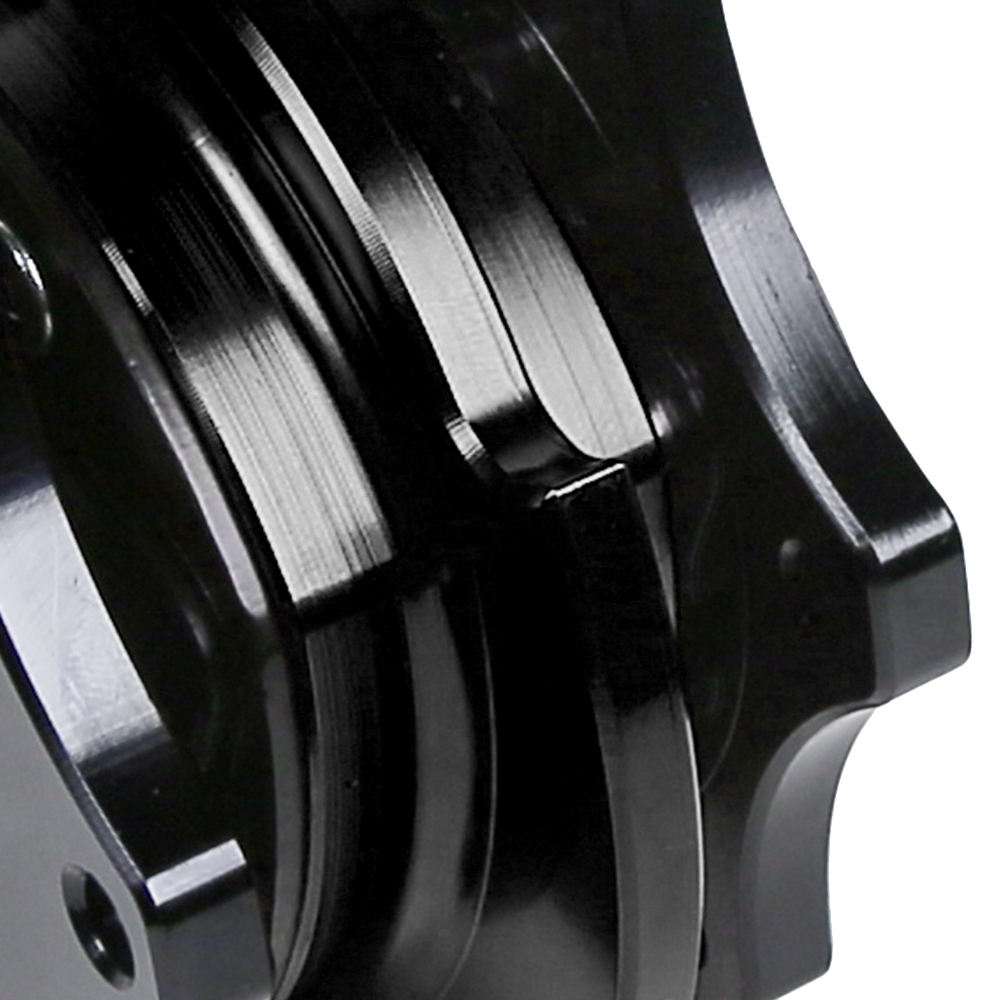
Industrial machinery reliability directly determines production efficiency, operation safety and long-term maintenance costs. Most engineering teams only focus on surface dimensional accuracy when selecting mechanical components, ignoring material stability, fatigue resistance and corrosion adaptability under complex working conditions. These neglected hidden problems frequently cause premature component damage, frequent equipment shutdowns, unexpected safety hazards and soaring later maintenance expenses. Choosing qualified and professionally customized titanium alloy precision machined parts becomes the core solution to eliminate chronic faults of mechanical equipment from the source.
Unlike ordinary stainless steel, aluminum alloy and carbon steel accessories, titanium alloy materials have comprehensive physical and chemical advantages that ordinary metals cannot match. They maintain stable performance in high temperature, low temperature, humid corrosive atmosphere, pressure impact and frequent vibration environments. Many users misunderstand that all titanium parts have identical quality and durability. In fact, raw material grade, smelting process, precision machining tolerance and surface treatment technology completely change the service life and application stability of finished products. Irregular low-cost titanium parts often have internal micro-defects, which gradually expand during continuous operation and induce sudden component fracture accidents.
Long-term industrial production practice proves that unstable matching parts are the primary inducement of frequent equipment failures. Hydraulic systems, aerospace supporting structures, medical precision instruments and automatic intelligent equipment all put extremely strict requirements on material density, tensile strength and wear resistance. As a professional manufacturer focusing on special metal precision processing, Koastar adopts standardized full-process quality control from raw material incoming inspection to finished product delivery testing, avoiding unqualified components entering the actual production line and reducing hidden safety risks caused by inferior accessories.
Many enterprises face repeated replacement of vulnerable parts, which not only wastes manpower and material resources but also disrupts the planned production rhythm. Traditional metal parts are prone to oxidation, rust and deformation under harsh environments such as seawater erosion, chemical medium corrosion and continuous high-intensity operation. Titanium alloy inherently excellent corrosion resistance, low density and high specific strength effectively avoid these pain points. It greatly extends the average service cycle of core accessories, reduces daily maintenance frequency, and significantly improves the continuous stable operation capability of the entire production line.
Dimensional precision deviation is another deep-seated problem easily overlooked by purchasers. Slight tolerance errors will lead to poor assembly fit, increased mechanical friction, abnormal noise, energy consumption rise and accelerated aging of whole machine parts. High-precision CNC numerical control processing ensures that each titanium alloy part strictly conforms to customized drawing standards. Ultra-fine surface finish processing further reduces running wear, optimizes mechanical transmission efficiency, and helps equipment maintain optimal operating parameters for a long time.
Performance Comparison Of Titanium Alloy Parts & Common Traditional Metal Parts
| Material Type | Corrosion Resistance | High Temperature Stability | Fatigue Durability | Weight Characteristic | Long-Term Maintenance Cost |
|---|---|---|---|---|---|
| Titanium Alloy Parts | Excellent, resistant to acid, alkali and humid corrosion | Stable at -60℃~600℃ | Ultra-high anti-fatigue impact performance | Light weight, low load on equipment | Extremely low, few replacements required |
| Ordinary Stainless Steel | General, easy to rust in corrosive environment | Poor stability above 300℃ | Medium fatigue resistance | Heavy weight | Medium, frequent polishing and replacement |
| Aluminum Alloy | Weak corrosion resistance | Easy deformation at high temperature | Low impact resistance | Light weight but low strength | High, easy deformation and frequent renewal |
| Carbon Steel | Very poor, rapid oxidation and rusting | Unstable thermal performance | Low comprehensive strength | Heavy load burden | Very high, regular anti-rust treatment required |
Hidden structural failures inside metal components usually do not appear in short-term trial operation. They gradually accumulate after long-period cyclic load, vibration impact and environmental erosion. Uninspected tiny pores, uneven internal crystal structure and unqualified stress relief treatment will cause sudden cracking, deformation and looseness during formal production. Professional titanium precision parts undergo multiple non-destructive testing, stress aging treatment and dimensional repeated verification, completely eliminating internal material defects that cannot be observed by naked eyes.
Different industry scenarios have differentiated detailed requirements for titanium alloy accessories. Aerospace precision structures demand ultra-light weight and ultra-high strength, medical precision structures require biocompatibility and non-toxic stability, marine engineering parts need long-term salt spray corrosion resistance, and automated mechanical equipment requires ultra-high matching precision and wear resistance. Unified generalized parts cannot adapt to diversified complex working conditions, while customized precision titanium components can fully match actual working parameters and working environments.
Overall application value of high-quality titanium alloy precision parts is far beyond simple component replacement. It optimizes overall equipment energy efficiency, lowers enterprise comprehensive operation cost, prolongs whole machine service life, reduces unexpected shutdown losses, and improves production safety level. Choosing professionally processed, strictly inspected and reasonably customized titanium precision parts is a cost-effective long-term investment for industrial production upgrading, rather than a temporary consumable expenditure.